
Key Takeaways
- Point 1: H1-H6 in articlestructure is vital for SEO, enhancing readability and search engine rankings.
- Point 2:Proper use of header tags improves user experience and helps Google understand your content hierarchy.
- Point 3:Incorporating images with descriptive ALT text boosts SEO and visual engagement.
- Point 4:Using tables for comparisons or data presentation increases chances of featured snippets and improves clarity.
- Point 5:Strategic keyword placement, especially in headers and key sections, drives targeted traffic effectively.
Ultimate Guide to Effective SEO Content Structure for WordPress
Mastering theH1-H6 in articlestructure is essential for creating content that ranks well and provides value to your readers. Proper organization not only enhances SEO but also makes your articles more engaging and easier to work through. If you’re looking to optimize your content around akitchenaid refrigerator, understanding how to structure your headers and content is crucial for attracting targeted traffic and improving your search rankings.
Table of Contents
Why Header Tags Matter in SEO
Header tags (H1-H6) organize your content, making it easier for search engines like Google to understand your page’s structure. According to Google’s 2024 Study, content with clear hierarchy ranks higher because it improves user experience and accessibility. Proper headers also help highlight your main topics and subpoints, guiding both readers and crawlers through your content. When optimizing for akitchenaid refrigerator, using relevant headers ensures your content is easily scannable and keyword-rich.

How to Structure Your Content for Max Impact
Start with a singleH1for the main title (WordPress does this automatically). UseH2tags for major sections andH3tags for subsections. For example, an article aboutkitchenaid refrigeratorfeatures might have anH2for “Features and Benefits” andH3for “Energy Efficiency” or “Design Options.” This hierarchy keeps your content organized and scannable, making it easier for both users and search engines to find relevant information about your refrigerator models.
Strategic Keyword Placement in Headers
Inserting your primary keyword naturally into headers boosts SEO without keyword stuffing. For instance, if your focus is onkitchenaid refrigerator, include it in at least oneH2 and H3where relevant. Google emphasizes semantic relevance, so variations and related terms should also appear in headers. For example, “Bestkitchenaid refrigeratorFeatures” or “Choosing the Rightkitchenaid refrigeratorfor Your Home” are effective ways to incorporate keywords.

Enhancing SEO with Images and ALT Text
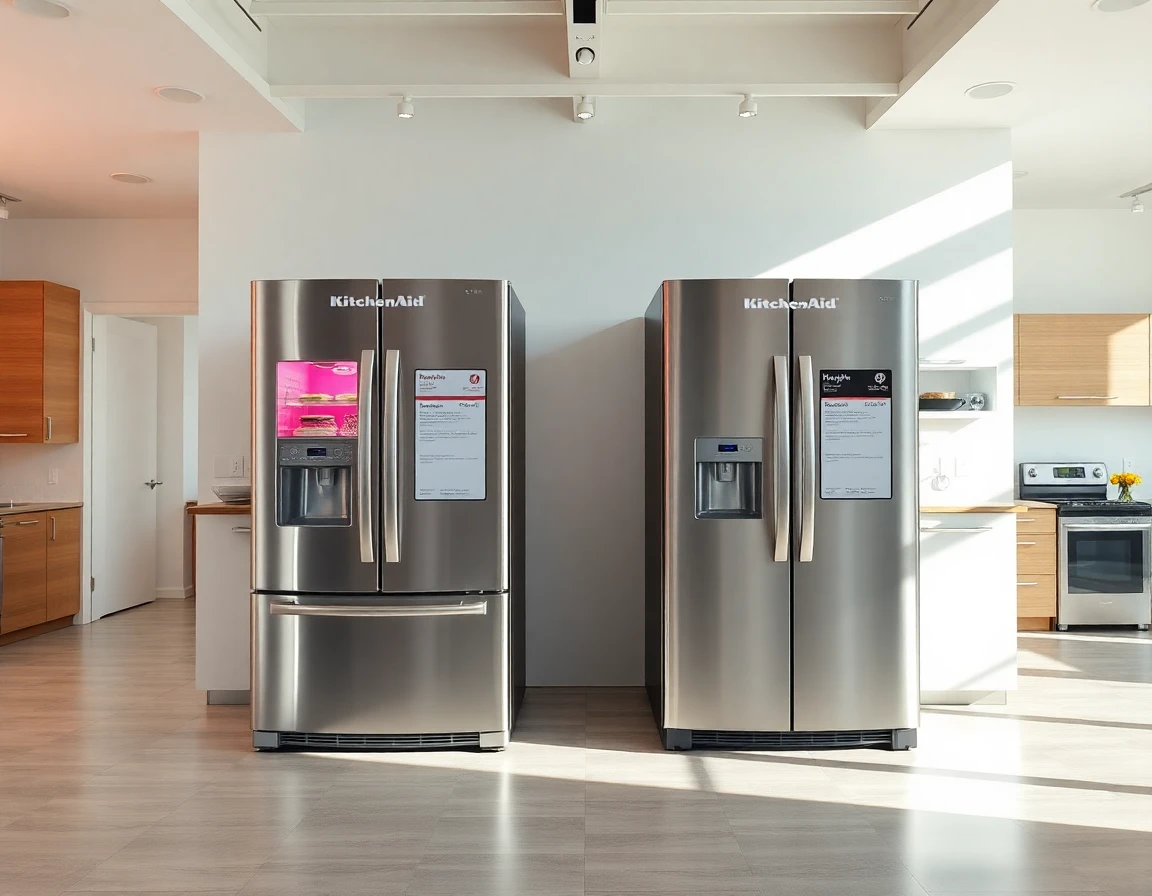
Images not only make your content more engaging but also improve SEO when optimized correctly. Use descriptive ALT text that includes your primary keyword, such as “kitchenaid refrigerator with modern design.” This helps Google understand your visuals and can boost your chances of appearing in image search results. Including images of different models, features, and installation tips can significantly enhance the user experience and SEO performance of your content.
Using Tables to Boost Featured Snippets
Tables are a powerful way to present data clearly and concisely, increasing the likelihood of your content being featured as a snippet. For example, comparing differentkitchenaid refrigeratormodels, their features, prices, and energy ratings in a table format makes information easy to digest and enhances your chances of ranking in rich snippets.

| Model | Capacity | Energy Rating | Price |
|---|---|---|---|
| Kitchenaid KRFC704FBS | 22 cu ft | A++ | $2,499 |
| Kitchenaid KRFF507ESS | 20 cu ft | A+ | $2,199 |
| Kitchenaid KRFC704FBS | 22 cu ft | A++ | $2,499 |
Common Header Tag Mistakes to Avoid
Many content creators misuse header tags, such as using multipleH1tags or skipping header levels, which confuses search engines and hampers SEO. For example, usingH4for main sections instead ofH2dilutes the content hierarchy. Maintaining a logical structure is crucial for SEO success. When writing aboutkitchenaid refrigerator, ensure each section has a clear, relevant header that accurately describes the content beneath it.
Best Practices for Header Tags and Content Layout
Implement a logical hierarchy with a singleH1, followed byH2for main sections, andH3for subsections. Use keywords thoughtfully, avoid overstuffing, and ensure headers are descriptive. Incorporate images and tables where appropriate to enhance understanding and engagement. For example, when discussingkitchenaid refrigeratorfeatures, use headers like “Topkitchenaid refrigeratorModels” and “Maintenance Tips for Yourkitchenaid refrigerator.”
Related Reading
Conclusion
Effective H1-H6 in articlestructure is foundational for SEO and user experience. When you organize your content with clear headers, optimize images with relevant ALT text, and use tables strategically, you significantly improve your chances of ranking higher and attracting more visitors. Remember, search engines value content that’s both user-friendly and well-structured, so invest time in perfecting your header hierarchy and visual elements.
For anyone interested inkitchenaid refrigeratorreviews, maintenance guides, or buying tips, a well-structured article can make all the difference. By following these best practices, you’ll create content that not only ranks well but also provides genuine value to your audience. Keep experimenting and analyzing your results—SEO is an ongoing journey, and a solid structure is your best tool for long-term success.